An end to documentation chaos

Your single source of truth for process-guided document creation and networked information

BAYOOSOFT Themis - Technische Dokumentation neu gedacht
BAYOOSOFT - Unsere Zufriedenen Kunden

Do you know the pressure? Manual documentation processes eat up valuable time, carry the risk of errors and make audits a nerve-wracking affair. Information is spread across countless documents, the overview is quickly lost and the constant worry of overlooking a requirement puts a strain on your team. Particularly in regulated industries, complete, consistent and traceable documentation is not just a requirement, but crucial to your success.

Conventional document management systems (DMS) often focus purely on managing and archiving entire files. But BAYOOSOFT Themis goes a decisive step further: we focus on the active design and structuring of your documentation. We guide you through the creation of your content in a process-oriented manner, transforming disparate information into a genuine single source of truth and enabling you to carry out efficient editorial work that goes far beyond the mere filing of documents.

BAYOOSOFT Themis - Technische Dokumentation Neu gedacht

Your direct route to the solution: Test BAYOOSOFT Themis for 1 month free of charge

See the benefits for yourself. Get BAYOOSOFT Themis directly in the online store and test the solution for one month free of charge – without any obligation.

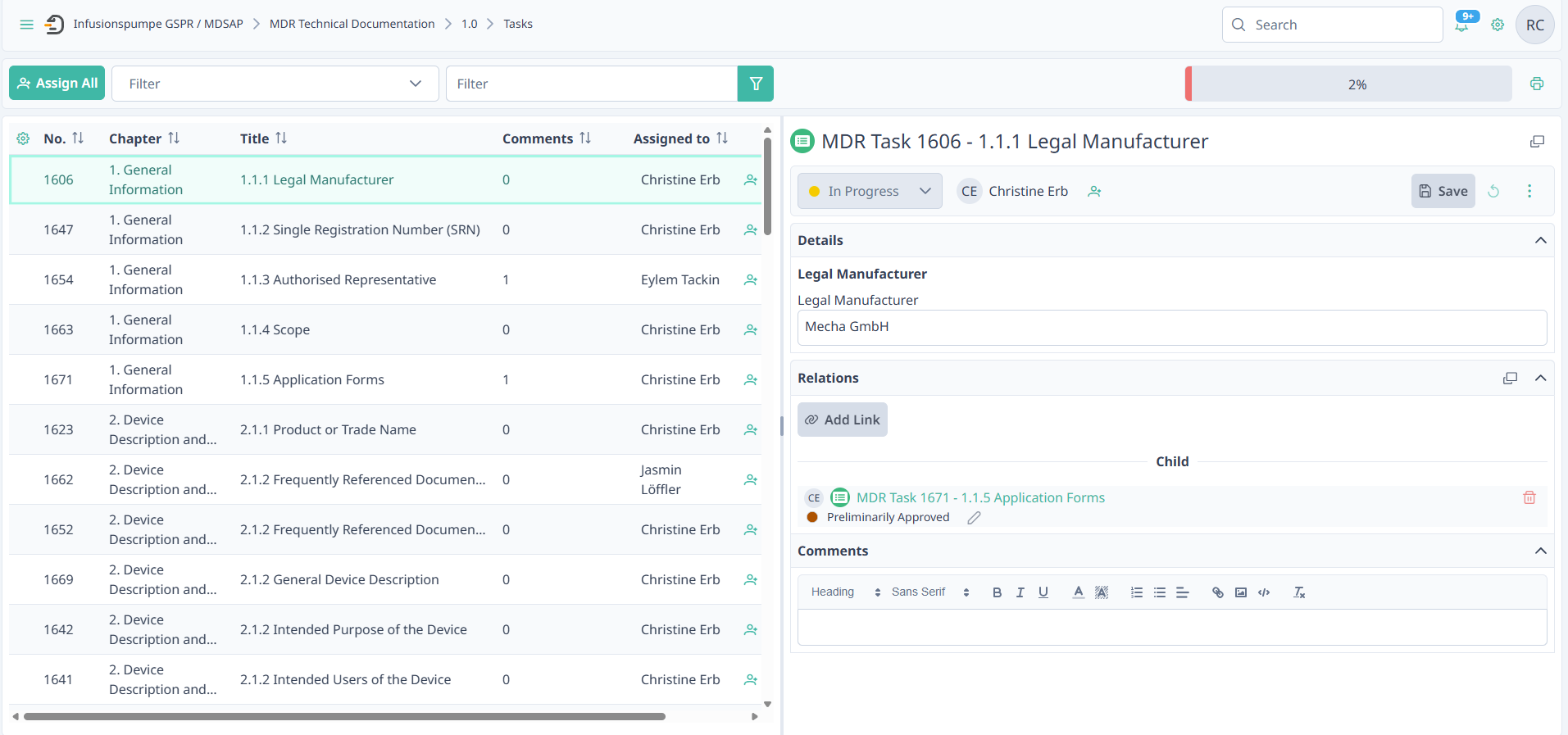
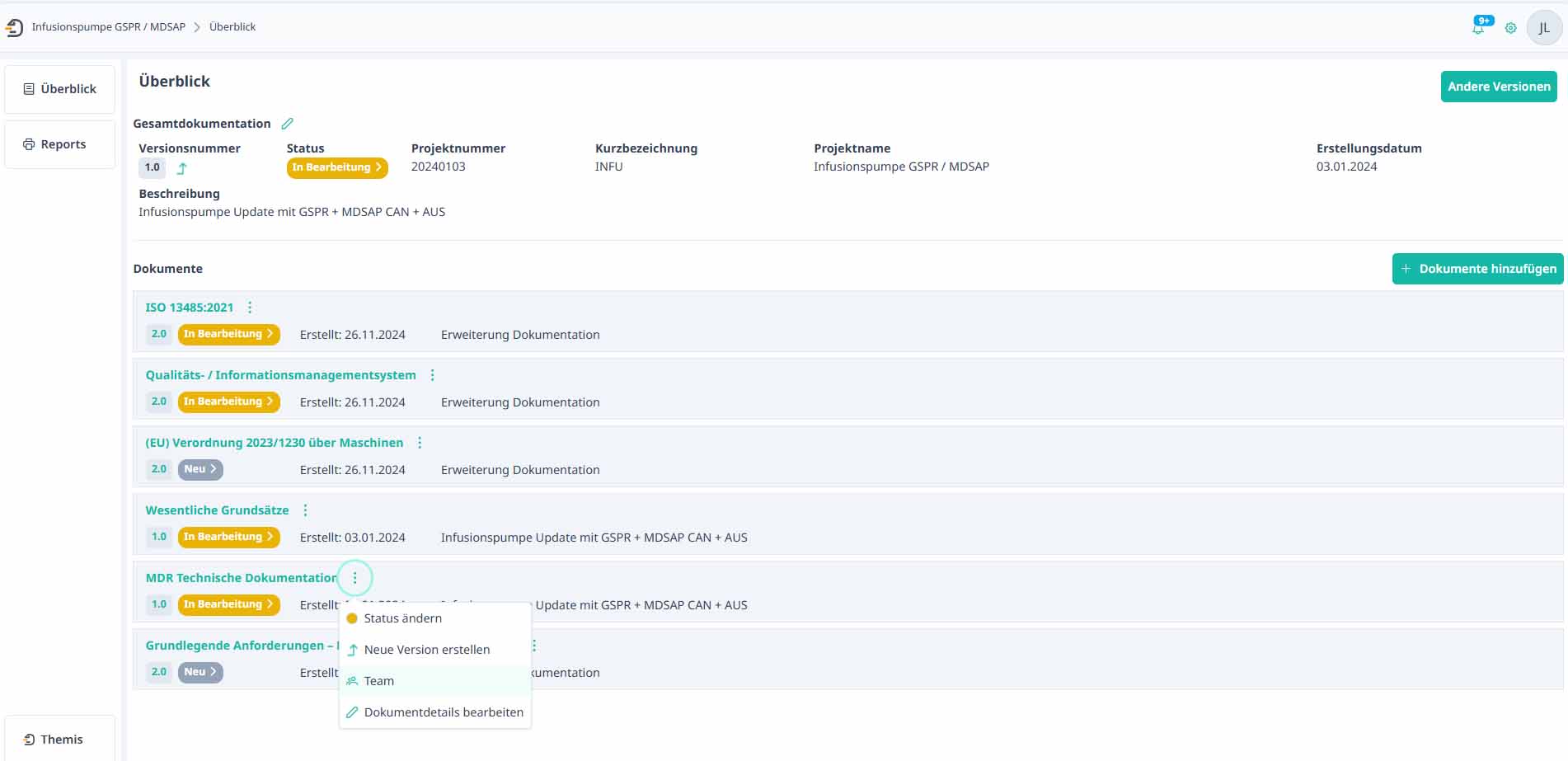
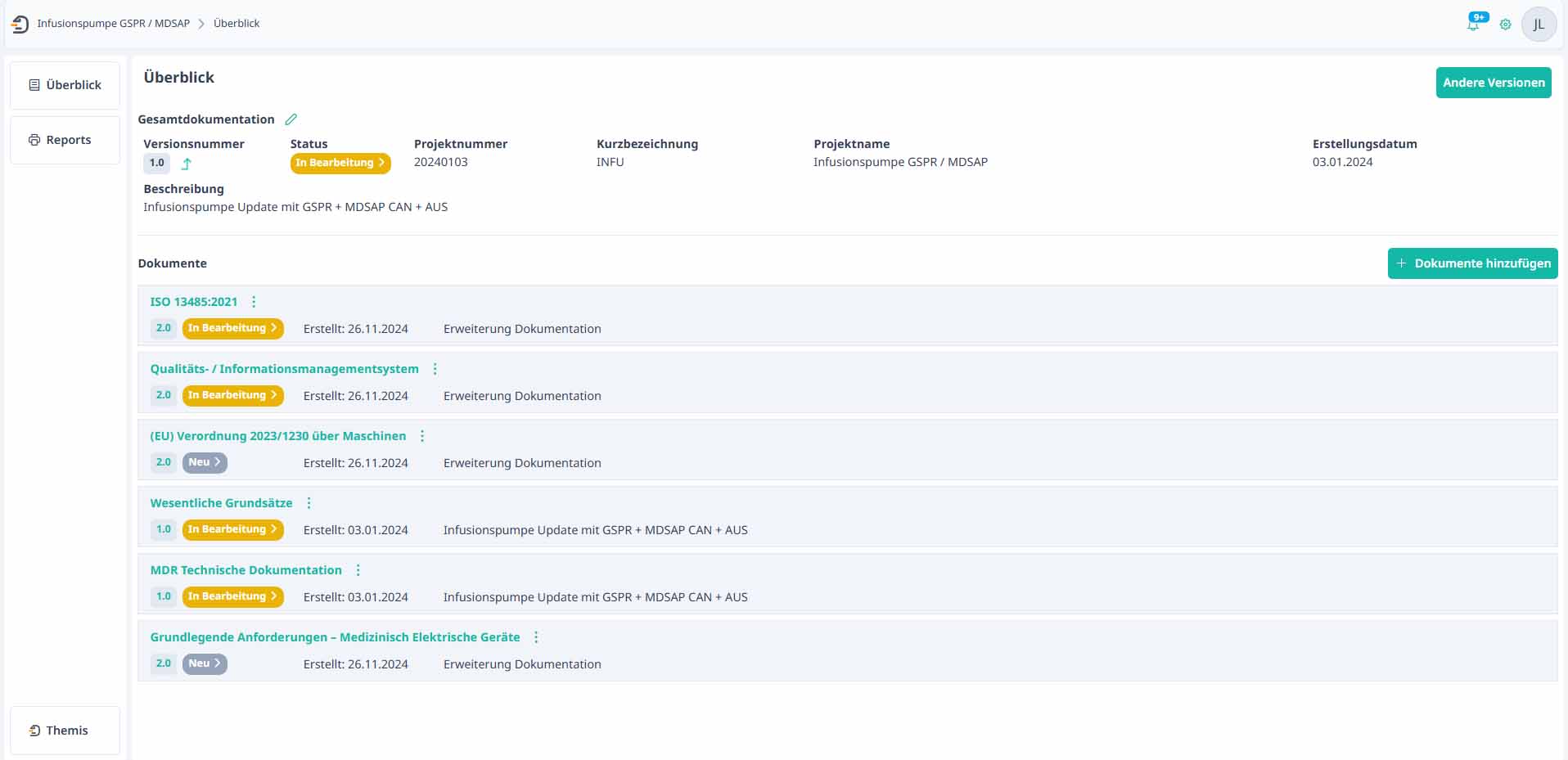
Single Source of Truth

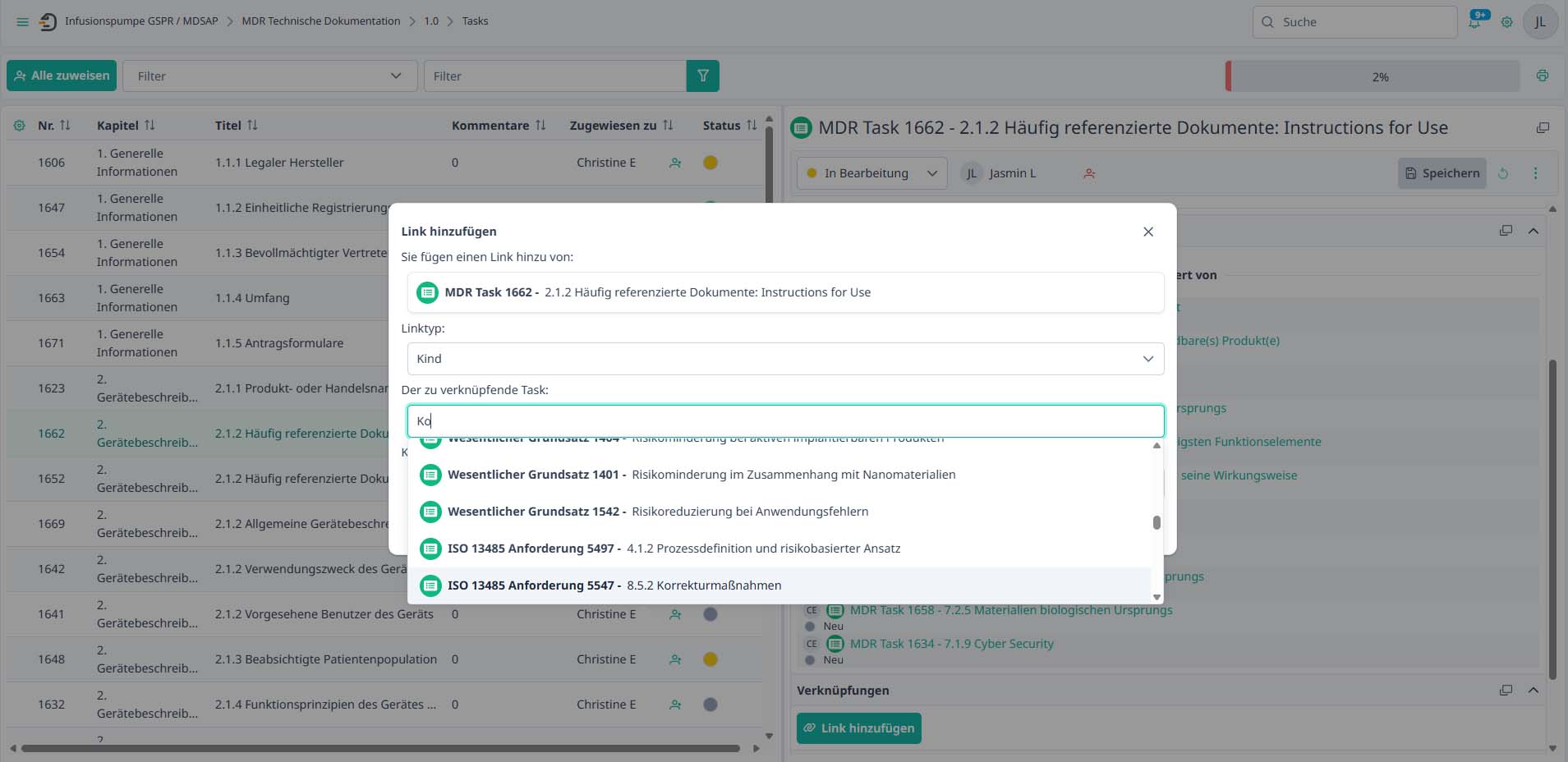
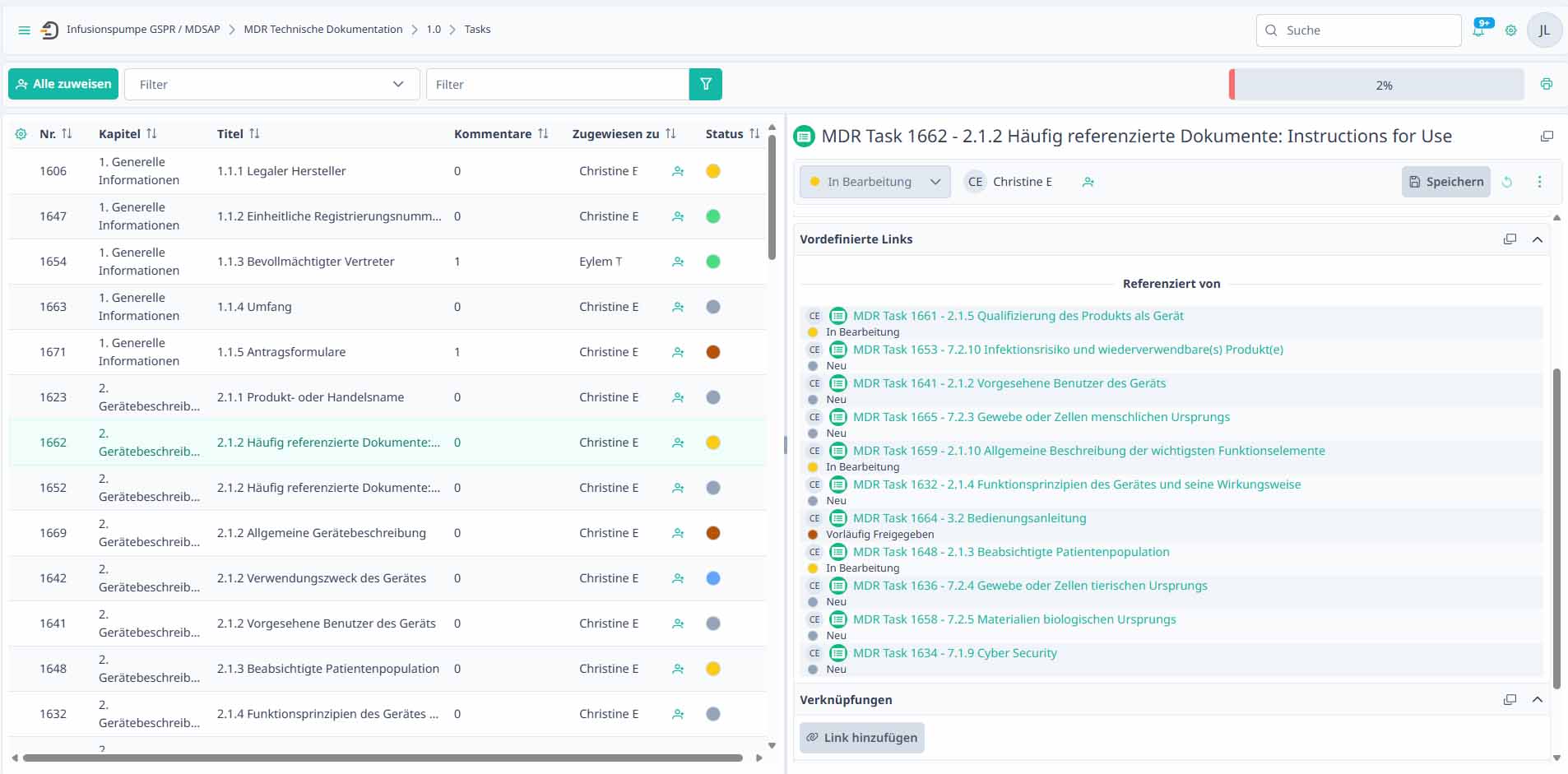
Say goodbye to redundant data and inconsistent information. With Themis, you can bundle all documentation content in a central, always up-to-date single source of truth for maximum efficiency.

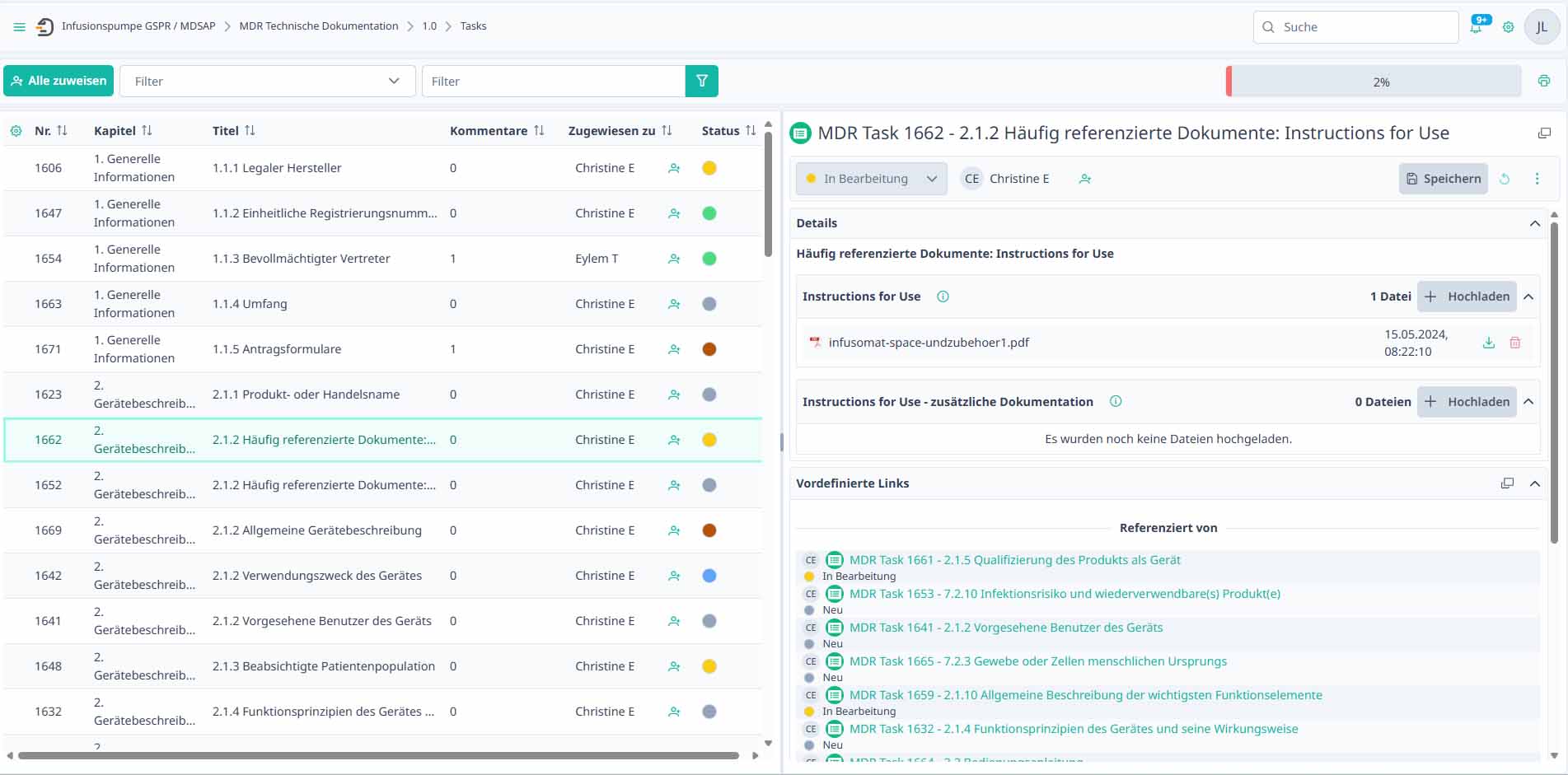
Digital technical documentation

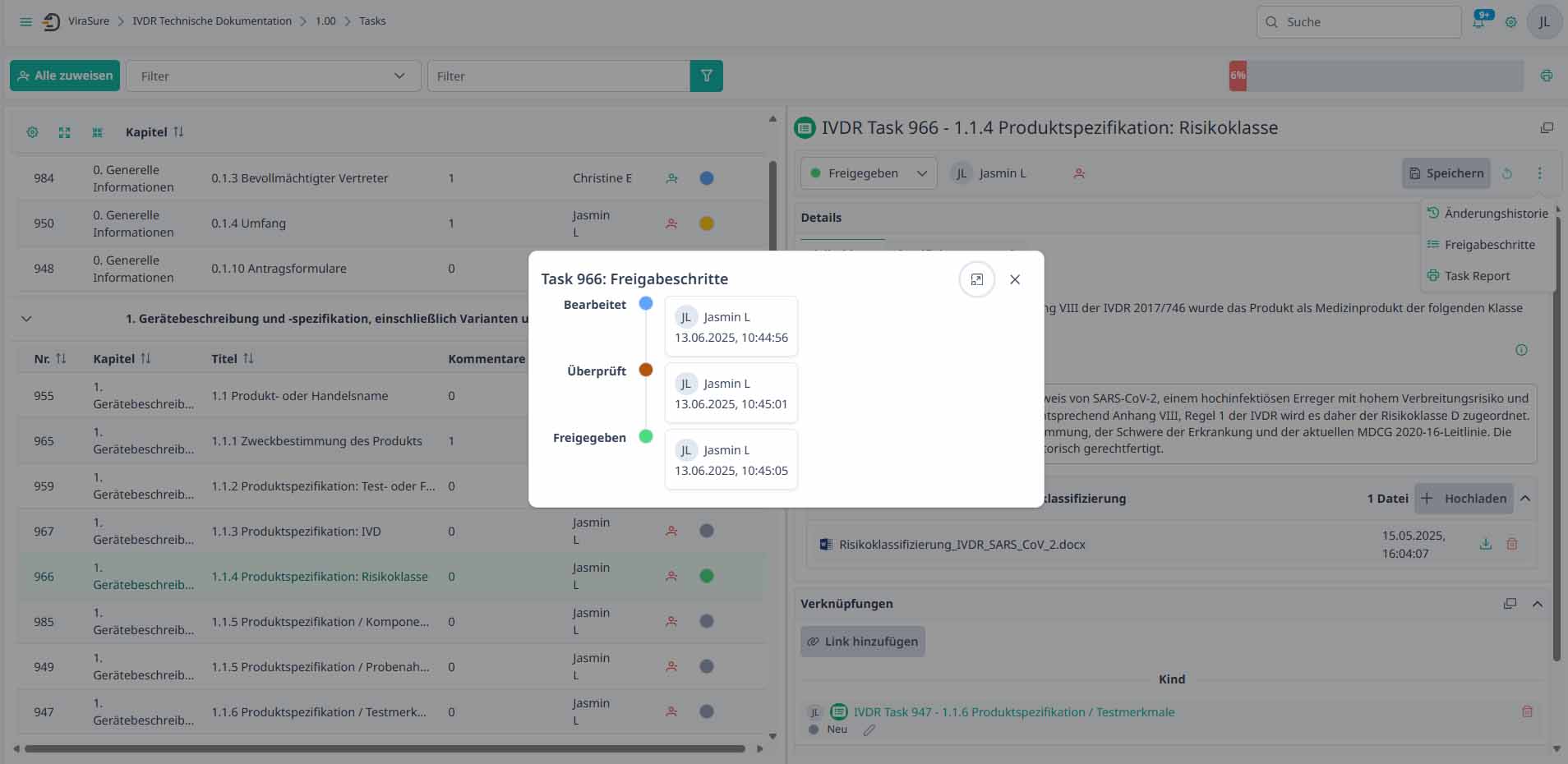
Speed up your product approvals and master audits with confidence. With Themis, you can create your technical documentation in accordance with MDR/IVDR in a process-guided and seamless digital format.

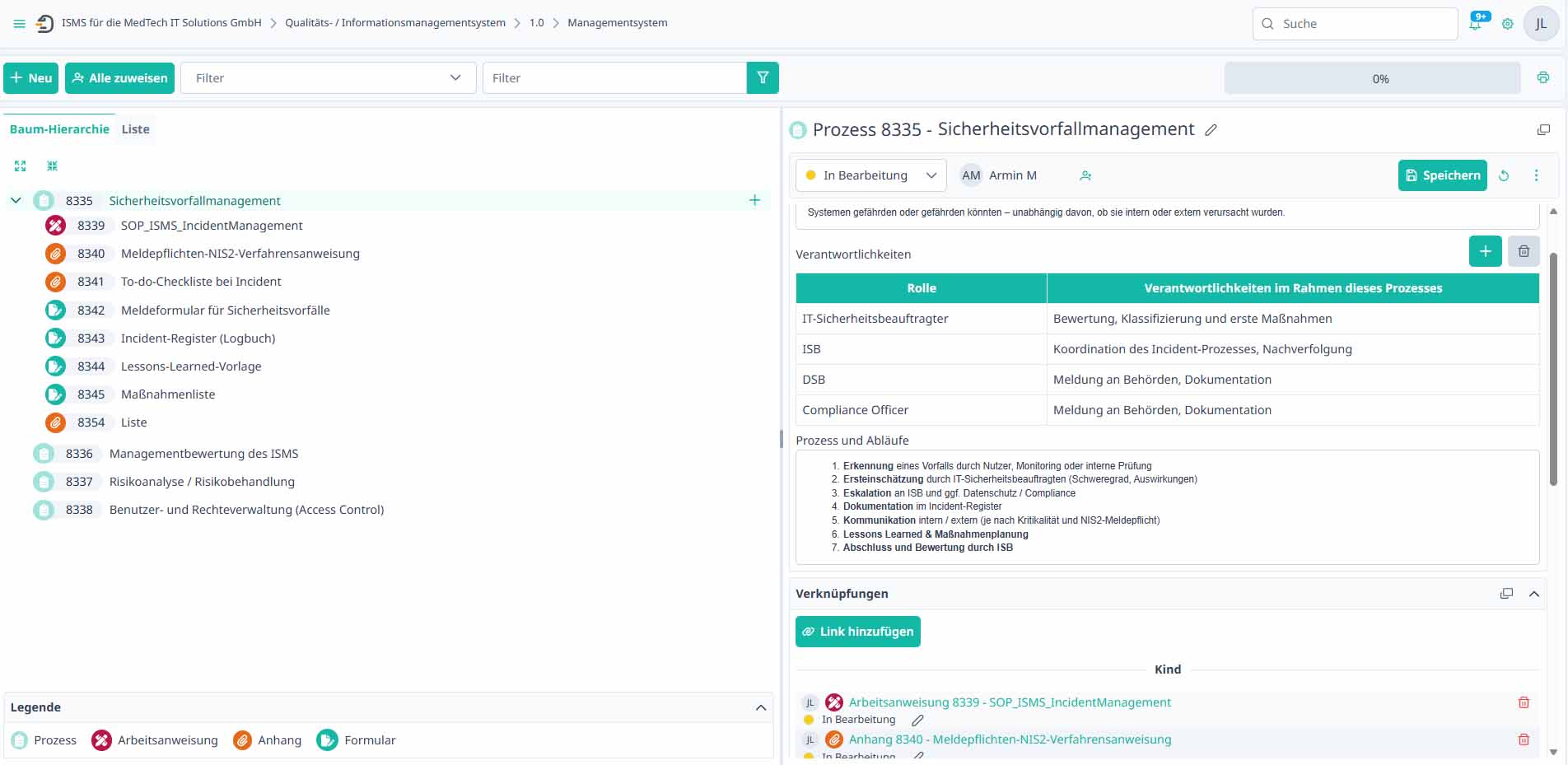
Digital QMS & ISMS

Optimize the implementation and maintenance of your management systems. With Themis, you can network processes and requirements for an audit-proof and dynamic QM/ISMS.

No time to inform yourself?

Visit our free webinars and let our experts explain everything about BAYOOSOFT Themis to you.

BAYOOSOFT Themis: Your advantages at a glance

  • Single source of truth
    All information centralized, networked and without redundancies
  • Process-guided document creation
    Structured workflows for maximum efficiency

  • Audit-proof compliance
    Audit audit security thanks to complete documentation and audit trail
  • Made in Germany
    Maximum security and quality with local contacts.

Why BAYOOSOFT Themis is really worthwhile

Save effort, avoid risks and keep your documentation under control – digital, traceable and audit-proof.

Continuous development since 1998

BAYOOSOFT Themis (formerly BAYOOSOFT Riskmanager) has been continuously developed since its foundation in 1998. In addition to updating the software solution – as part of a software update contract – new expansion modules and usability optimizations are also taken into account in the continuous further development:

1998: Risk 1.0 – the foundation stone:
Risk 1.0 is the predecessor of Qware® Riskmanager. It is the first and only software solution on the market that complies with the EN 1441 standard, which came into force in 1999.


1999: BAYOOSOFT Risk Manager is born – new development according to EN ISO 14971:2000:

Just two years later, a completely new version was developed based on the experience gained from the first customer projects, which, in addition to new technology and numerous functional enhancements, primarily covered the successor standard EN ISO 14971:2000. This version bore the name Qware® Riskmanager for the first time and was developed as a database-supported multi-user application.

1998: Risk 1.0 – the foundation stone:
Risk 1.0 is the predecessor of Qware® Riskmanager. It is the first and only software solution on the market that complies with the EN 1441 standard, which came into force in 1999.

1999: BAYOOSOFT Risk Manager is born – new development according to EN ISO 14971:2000:
Just two years later, a completely new version was developed based on the experience gained from the first customer projects, which, in addition to new technology and numerous functional enhancements, primarily covered the successor standard EN ISO 14971:2000. This version bore the name Qware® Riskmanager for the first time and was developed as a database-supported multi-user application.

Versions 2.0 – 3.1.2 – continuous improvement:
Qware® Riskmanager, the software for risk management according to DIN EN ISO 14971, is continuously improved and expanded. Changes to the standard and customer requests are taken into account in order to provide you with an optimal working tool.

Users are pleased with the improved template management and the automatic spell checker. The implementation of the knowledge database enables the use of data from already closed files. The consistently improved user interface of the software ensures intuitive user guidance and quick familiarization of new employees.

2011: Versions 4.0 – 4.2.5 – Qware® Riskmanager gets a new look:
After 12 years of continuous development, Qware® Riskmanager gets a new user interface and now supports the database model under Microsoft SQL Server. Users can look forward to the first usability management extension module that is fully integrated into the risk management process. The new Advanced Reporting module enables the free design of printouts.
FMEA is also offered as an additional method for risk analysis and is celebrated by many customers.

2012: Versions 4.5-4.6 – The powerful knowledge database:
The CSV import into the knowledge database enables easy maintenance of existing data in Risk Manager and therefore a quick start to working with the software. Users now have the option of mapping risk analysis for products, components and processes with Qware® Risk Manager, which also gives hospitals and clinics access.

2012: Version 4.6.1 – Adaptation to ISO 14971:2012:
Even before ISO 14971:2012 comes into force, Qware® Riskmanager will be adapted to the changes: Users can perform a risk/benefit analysis for each individual risk in accordance with the standard. A note on the ALARP area has been introduced in the graph definition area. It is also possible to edit the ALARP area, which according to ISO 14971:2012 may no longer be used for economic reasons. With this change, the ALARP area in Qware® Riskmanager can be edited, renamed or deleted.
Another feature of this version is the auto-complete function of the knowledge database, which allows users to reuse their knowledge from old files even more quickly and efficiently.

2013: Version 5.0 – 5.4 – Qware® Riskmanager provides an overview and points out errors:
The path to complete technical documentation for medical devices continues to gain momentum from version 5 with two further extension modules. This year, Qware® Riskmanager will be joined by the Medical Electrical Equipment module for creating the conformity report in accordance with 60601-1, 3rd edition and the Essential Requirements module in accordance with the IVDD 98/79/EC and MDD 93/42/EEC (2007/47/EC) directives. Thanks to their complete integration into the risk management process, both modules can be created quickly and securely, saving users an enormous amount of time.
Another feature that makes daily work easier for Qware® Riskmanager users is the dashboards for all modules. These show the current status of the projects and point out possible inconsistencies and errors.

2014: Version 6 – Efficient maintenance of product requirements in Qware® Riskmanager:
With the Requirements Engineering extension module, product requirements can be created and linked to usabilityand risk management. The dashboard for the Requirements Engineering module shows users which requirements currently remain without validation, verification and functional coverage. It also provides an overview of functions and measures that are not assigned to a requirement.

2014: Version 7 – New basic functionality: Compliance with 21 CFR Part 11:
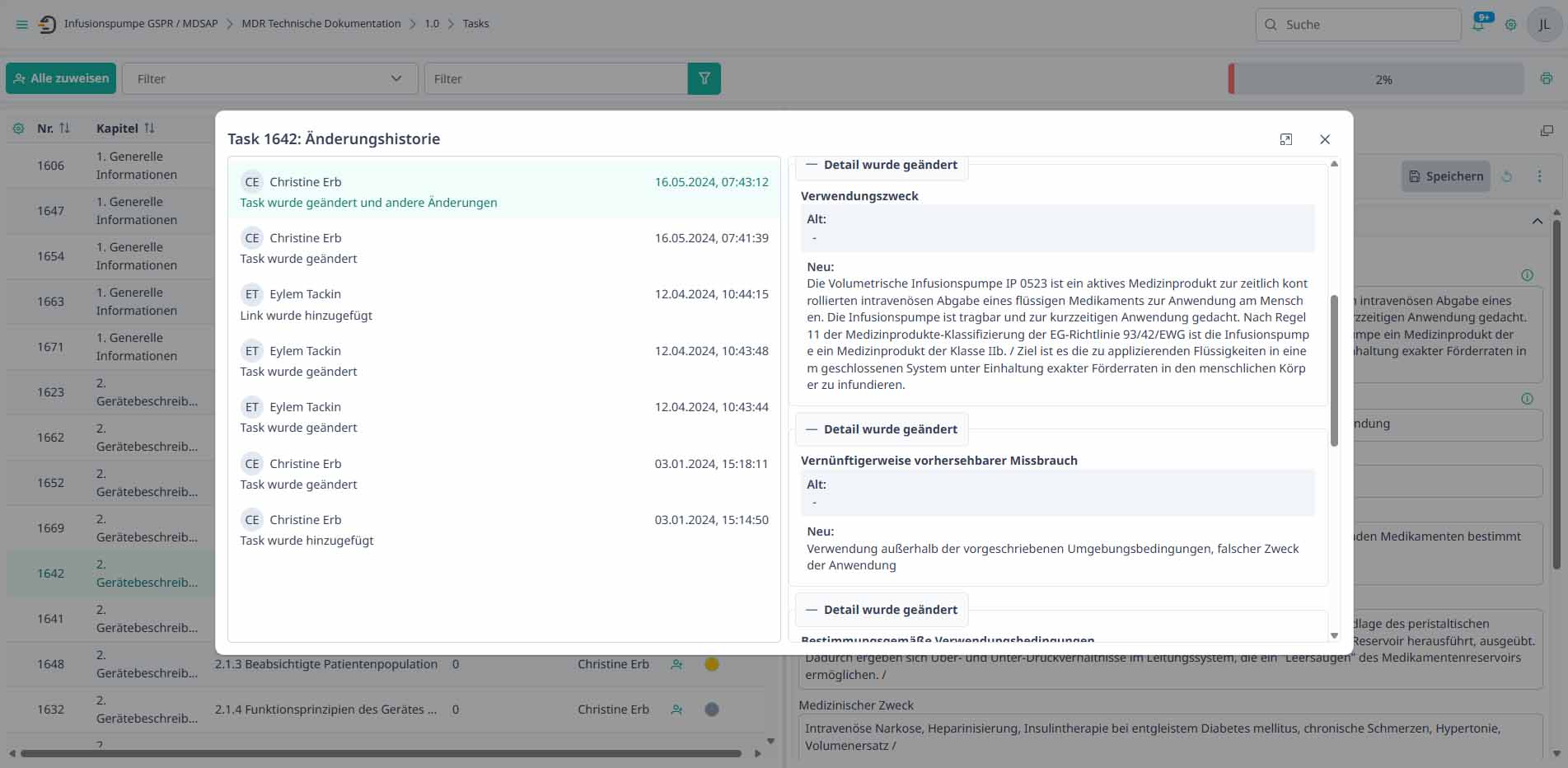
The new basic functionalities Audit Trail, Digital Signature and Password Complexity enable compliance with 21 CFR Part 11 when creating the risk management file. When the audit trail is activated, all changes that users make to data in Qware® Riskmanager are recorded. The digitally signed documents make it even easier for users to create technical documentation in compliance with FDA regulations.

2015: Version 8 – Medical IT networks in accordance with EN 80001-1:
With the release of version 8, users can operate risk management for medical IT networks in accordance with EN 80001-1 in Qware® Riskmanager.

2016: Version 8.1-8.6 – Optimizations in usability and fulfillment of the requirements according to IEC 60601-1:
The Medical Electrical Equipment module receives an update to support the requirements of IEC 60601-1 even with the new standard version. Further optimizations of the usability of the Qware® Risk Manager, such as performance improvements, templates for risk graphs from completed projects and other customer-specific requests, have been implemented. Compatibility with Windows 10 was also established.

2018: Version 9 – extension with medical device classifier and new design:
Qware® Riskmanager shines in version 9 with a new modern design. The existing module for ensuring suitability for use has been updated in accordance with DIN EN 62366:2017-07. As part of these adjustments, formative and summative evaluations can now be mapped. The Medical Devices Regulation is now also being incorporated into the system. A medical device classifier supports the assessment of the risk class by answering simple questions. The Essential Requirements module now includes the basic performance and safety requirements of the MDR and IVDR.

2019: Traceability of requirements and an installable technical interface expand the range of functions with version 9.1:
In addition to the traceability of requirements from measures and towards functions, Qware® Riskmanager now offers in the Requirements Engineering now also offers the option of linking requirements of different document types with each other and provides a corresponding traceability matrix at the touch of a button. At the same time, a separately installable programming interface is provided as an extension module for self-configured individual technical implementations.

2019: Qware® Riskmanager becomes BAYOOSOFT Risk Manager:
It’s not just Riskmanager that is growing in terms of its range of functions – BAYOONET AG as a manufacturer is also constantly expanding its portfolio. In addition to BAYOOMED and other business units, the Fileserver Management Suite and Qware® Riskmanager software solutions are now being offered as BAYOOSOFT Access Manager and BAYOOSOFT Risk Manager under the BAYOOSOFT – Management Software division.

2020: New module: Machinery Directive:
A new extension module is now available to support the testing of essential requirements for machinery in accordance with Directive 2006/42/EC. Similar to the functionality of the Essential Requirements module, a checklist filter makes it possible to narrow down the questions to be answered. At the same time, the answers to the questions are fully integrated into risk management by linking hazards or measures, for example.

2021: Software life cycle processes according to IEC 62304:
With the extension modules requirements engineering and REST API in combination with risk management in accordance with ISO 14971, the BAYOOSOFT Risk Manager now offers a solution for creating technical documentation that complies with IEC 62304.

2021: Version 10.3 – Implementation of new features and enhancements as well as an update of the system requirements:
Version 10.3 of BAYOOSOFT Risk Manager provides more planning functions for Post-Market Surveillance. In addition, functional coverage in requirements engineering was created through interfaces in the form of the REST API. With the update of the system requirements, version 4.8 is recommended for the SQL Server version 2017 and for the Microsoft .NET Framework for the operation of BAYOOSOFT Risk Manager.
2021: Version 10.4 – Implementation of new features and enhancements as well as an update of the system requirements:
With version 10.4 of BAYOOSOFT Risk Manager, users benefit from new features such as the classifier for IVD (in-vitro diagnostics) to determine risk classes A to D. Enhancements in the areas of risk analysis, risk assessment, action management and residual risk assessment also complement the software solution. With the update of the system requirements, version 4.8 is recommended for the SQL Server version 2017 as well as for the Microsoft .NET Framework and Microsoft Windows 8 for the operation of BAYOOSOFT Risk Manager.
2022: Version 10.5 – Implementation of new features and enhancements:
With version 10.5 of BAYOOSOFT Risk Manager, users benefit from new features such as the automated import of unstructured risk management files. Furthermore, it is now possible to add new elements of the analysis tree directly to the knowledge database and to visualize existing traces between elements. In addition, the “Extended template management” enhancements are available for the entire Risk Manager and the “Multi-user function” for the entire “Clinical evaluation” module.

2023: BAYOOSOFT Themis Documentation Guide:
With BAYOOSOFT Themis opens a new chapter in technical documentation. As the first available module, the Documentation Guide is part of the next generation of systems for validated solutions relating to documentation processes for medical devices and in-vitro diagnostics. It offers all the basic functions of the Risk Manager, but can be installed as a desktop app or used in the web interface regardless of location and device.

2023: BAYOOSOFT Themis 2023.4 – Extension of the GSPR checklist for MDSAP countries
The General Safety and Performance Requirements of MDR & IVDR will be extended to include the requirements of MDSAP countries. There is now the possibility of a joint conformity assessment of several target markets.

2024: Digital management of QM/ISM processes
With the proven task-based approach and the comprehensive versioning concept, the creation and management of quality and management systems can now also be mapped in BAYOOSOFT Themis. Additional documentation guides for ISO 13485, ISO 27001 and ISO 9001 enable transparent traceability of standard requirements in practiced SOPs, work instructions and responsible role descriptions.

2025: Impact analysis & combining PHA & FMEA
By mapping the FMEA method in BAYOOSOFT Themis, the product risk analysis can now also be directly linked to the system FMEA, design FMEA and process FMEA. In this way, hazards are directly considered in greater depth and a comprehensive risk management system is created. Supplemented by the impact analysis, which presents dependencies for review when a point is changed, working in the documents is made much easier.

Real voices, real opinions: Customer reviews in the spotlight

BAYOOSOFT Themis - Unsere Kunden im Ueberblick
Dr. Jan Ole Jungmann

EUROIMMUN Medizinische Labordiagnostika AG

“Previously, we worked with Excel spreadsheets and things could easily get lost. Our alternative ALM software solutions were very generic and not much better than the Excel spreadsheets. With BAYOOSOFT Themis, we don’t have to worry about this, as maintained documentation is generated completely at the touch of a button.”

BAYOOSOFT - Unsere Zufriedenen Kunden

Svenja Winkler
CEO

How to contact us

How would you like to work in the future?

Be part of it and shape the Tech Doc of tomorrow with us. Send us a short message and our team will take care of your request immediately.